SEO in digital marketing is the process of enhancing a website’s visibility on search engines. This optimization attracts organic traffic, increasing user engagement and brand credibility. Key components include keyword optimization, on-page improvements, and building backlinks. Businesses can enhance their credibility and standing by making sure their websites are easily accessible to search engines and provide a pleasant experience for users. A well-executed SEO strategy leads to long-term growth. Discover how these elements work together for effective digital marketing strategies.
Key Takeaways
- SEO, or Search Engine Optimization, enhances website visibility on search engine results pages, driving organic traffic without paid advertising.
- It involves keyword optimization, on-page SEO, off-page SEO, and technical SEO to improve search rankings and user engagement.
- High-ranking websites are perceived as more credible, fostering trust and customer loyalty through effective SEO practices.
- A holistic SEO strategy integrates all types, ensuring better online visibility and adaptability to algorithm changes for long-term success.
- Consistent SEO efforts lead to improved user experience, resulting in faster loading times and higher engagement rates.
Understanding What is SEO in Digital Marketing
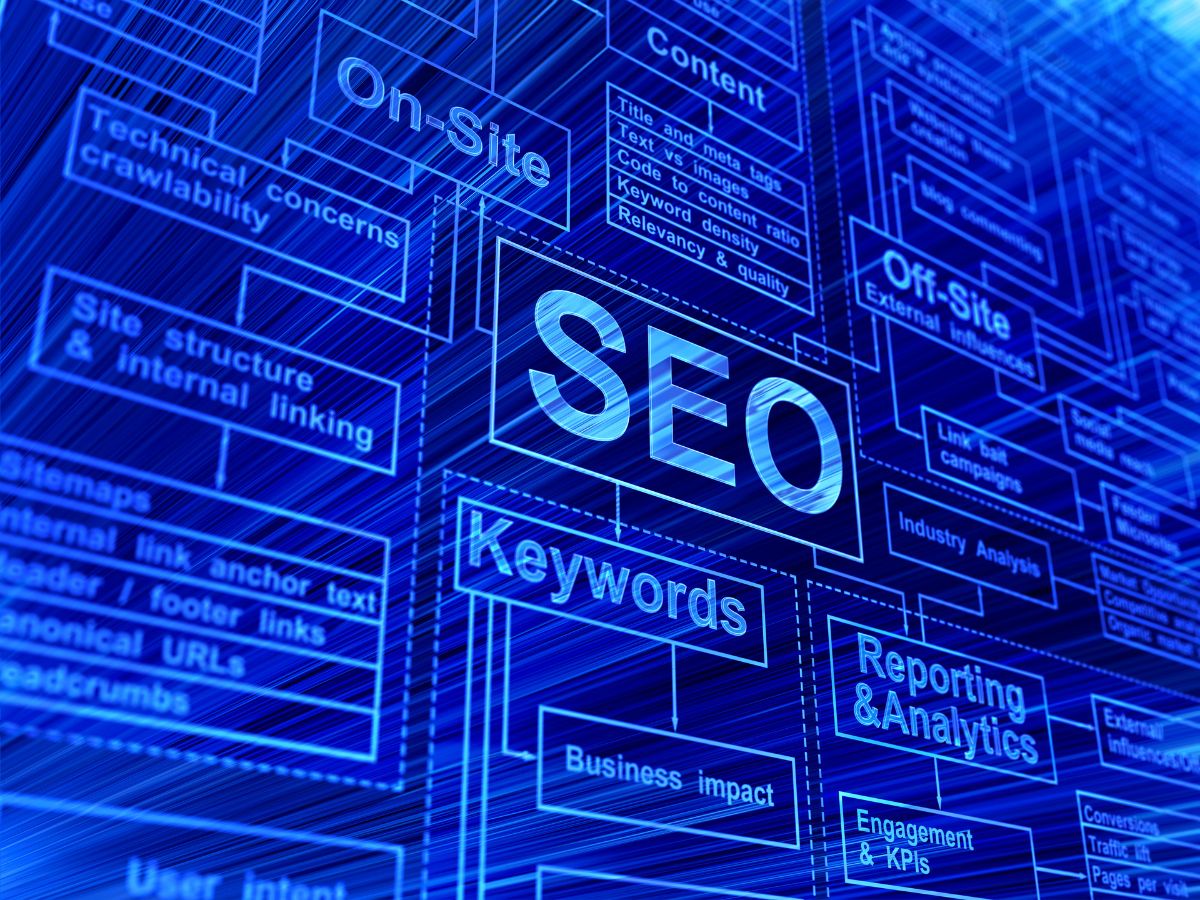
Search Engine Optimization is an important part of digital marketing. It helps websites rank higher in search engine results. This makes it easier for people to find the website when searching online. At its core, SEO refers to the strategies and techniques used to enhance a website’s visibility on search engine results pages.
Understanding what is SEO in digital marketing involves recognizing its fundamental components, including keyword optimization, on-page SEO, off-page SEO, and technical SEO.
Keyword optimization focuses on identifying relevant terms that potential customers might use to search for products or services. On-page SEO involves optimizing individual web pages to improve rankings, while off-page SEO emphasizes building authority through backlinks and social signals. Technical SEO ensures that a website is crawlable and indexable by search engines.
The importance of SEO in digital marketing cannot be overstated; it improves a website’s visibility, drives organic traffic, and ultimately contributes to a business’s success in a competitive online landscape.
Role of SEO in Digital Marketing for Driving Organic Traffic

While many marketing strategies focus on paid advertising, SEO plays a vital role in driving organic traffic to websites. Understanding how does SEO work in digital marketing is essential for businesses looking to enhance their online presence.
The role of SEO in digital marketing is multifaceted, contributing to increased visibility and user engagement. Key components include:
- Keyword Optimization: Identifying and using relevant keywords to attract target audiences.
- On-page SEO: Enhancing website content and structure to improve search engine ranking.
- Off-page SEO: Building backlinks and improving domain authority through external sources.
These elements work together to ensure that a website ranks higher in search engine results, ultimately leading to more organic traffic.
Importance of SEO in Digital Marketing for Brand Credibility

Effective SEO practices not only boost a website’s visibility but also significantly contribute to brand credibility. When potential customers search for products or services, they tend to trust websites that appear on the first page of search engine results. This trust is largely cultivated through effective use of various types of SEO in digital marketing, including keyword optimization, on-page strategies, and quality backlinks.
A website that ranks high is perceived as more reputable and authoritative, enhancing its credibility among consumers. Furthermore, consistent SEO efforts can lead to positive user experiences, such as faster loading times and mobile optimization, which also reinforce trust in the brand.
Ultimately, strong SEO not only drives organic traffic but also builds a foundation of credibility that can distinguish a brand in a crowded marketplace, leading to increased customer loyalty and long-term success.
Types of SEO in Digital Marketing for Holistic Growth

Understanding the various types of SEO is essential for businesses aiming for holistic growth in the digital landscape. Effective SEO strategies encompass several key components, each contributing to enhanced online visibility and user engagement.
These types include:
- On-Page SEO: This focuses on optimizing individual web pages through keyword usage, meta tags, and content quality, ensuring that search engines can easily understand the content.
- Off-Page SEO: This involves activities outside the website, such as backlink building and social media marketing, to improve site authority and reputation in the eyes of search engines.
- Technical SEO: This addresses the backend aspects of a website, including site speed, mobile-friendliness, and secure connections, which are crucial for performance and user experience.
Building Long-Term Success with SEO in Your Marketing Plan

Incorporating SEO into a marketing plan is essential for businesses seeking to achieve long-term success in the digital landscape. By enhancing website visibility, SEO enables organizations to attract organic traffic, which is crucial for sustained growth.
A well-defined SEO strategy involves keyword optimization, ensuring that relevant terms are strategically placed within content to improve search engine rankings.
Moreover, effective on-page and off-page SEO practices, such as high-quality content creation and backlink building, contribute to establishing authority and trustworthiness. Technical SEO also plays a significant role, as it ensures that websites are user-friendly and accessible, which further impacts search rankings.
Ultimately, businesses that prioritize SEO within their marketing framework can cultivate a robust online presence, adapt to changing algorithms, and remain competitive in an increasingly digital market.
This proactive approach not only drives immediate results but also lays the foundation for enduring success.
From Understanding to Action with SEO in Digital Marketing
While many businesses recognize the importance of SEO in digital marketing, translating that understanding into actionable strategies is crucial for maximizing impact.
To effectively implement SEO, businesses should focus on three key areas:
- Keyword Optimization: Identifying and using relevant keywords helps in targeting the right audience and improving search rankings.
- On-Page and Off-Page SEO: This includes optimizing website content and structure, as well as building quality backlinks to enhance credibility and visibility.
- Technical SEO: Ensuring that a website is technically sound—like improving load speeds and mobile-friendliness—is essential for user experience and search engine indexing.
FAQ: SEO in Digital Marketing
How does SEO work in digital marketing?
SEO (Search Engine Optimization) works by improving a website’s visibility on search engine results pages (SERPs). It uses a combination of keyword optimization, on-page enhancements, off-page link building, and technical adjustments to help search engines better understand and rank the content. Effective SEO draws in organic (non-paid) traffic, boosts user engagement, and enhances brand credibility over time.
How do keywords affect SEO in digital marketing?
Keywords are the foundation of SEO. They help search engines understand what your content is about and connect it with users’ search intent. By strategically placing relevant keywords in titles, meta descriptions, headers, and content, businesses can rank higher for search queries related to their products or services, ultimately driving more targeted traffic to their site.
Why is content optimization vital for a successful SEO strategy?
Content optimization ensures that your web pages are aligned with what users are searching for and how search engines interpret relevance. This includes using the right keywords, structuring content for readability, and including meta tags and internal links. High-quality, optimized content improves rankings, increases time spent on site, and enhances user experience—all of which contribute to better SEO outcomes.
How can businesses track the effectiveness of their SEO efforts?
Businesses can track SEO performance using tools like Google Analytics, Google Search Console, and SEO platforms such as Ahrefs or SEMrush. Key metrics include organic traffic, keyword rankings, bounce rates, backlink quality, and conversion rates. Monitoring these helps businesses refine their strategies, stay aligned with algorithm changes, and measure return on investment (ROI) over time.
Final Thoughts
Creating a results-driven campaign with AI starts by setting clear goals, understanding your audience, and leveraging tools that enhance personalization, automation, and engagement. By incorporating advanced solutions like AI-powered Voice AI and AI marketing tools, businesses can refine their messaging and improve campaign precision. These strategies help boost performance across every stage—from outreach to conversion. When done right, AI transforms campaigns into consistent lead generators that drive long-term brand growth. Book your free strategy call today and discover how SalesGadget can help you build smarter campaigns with real results.