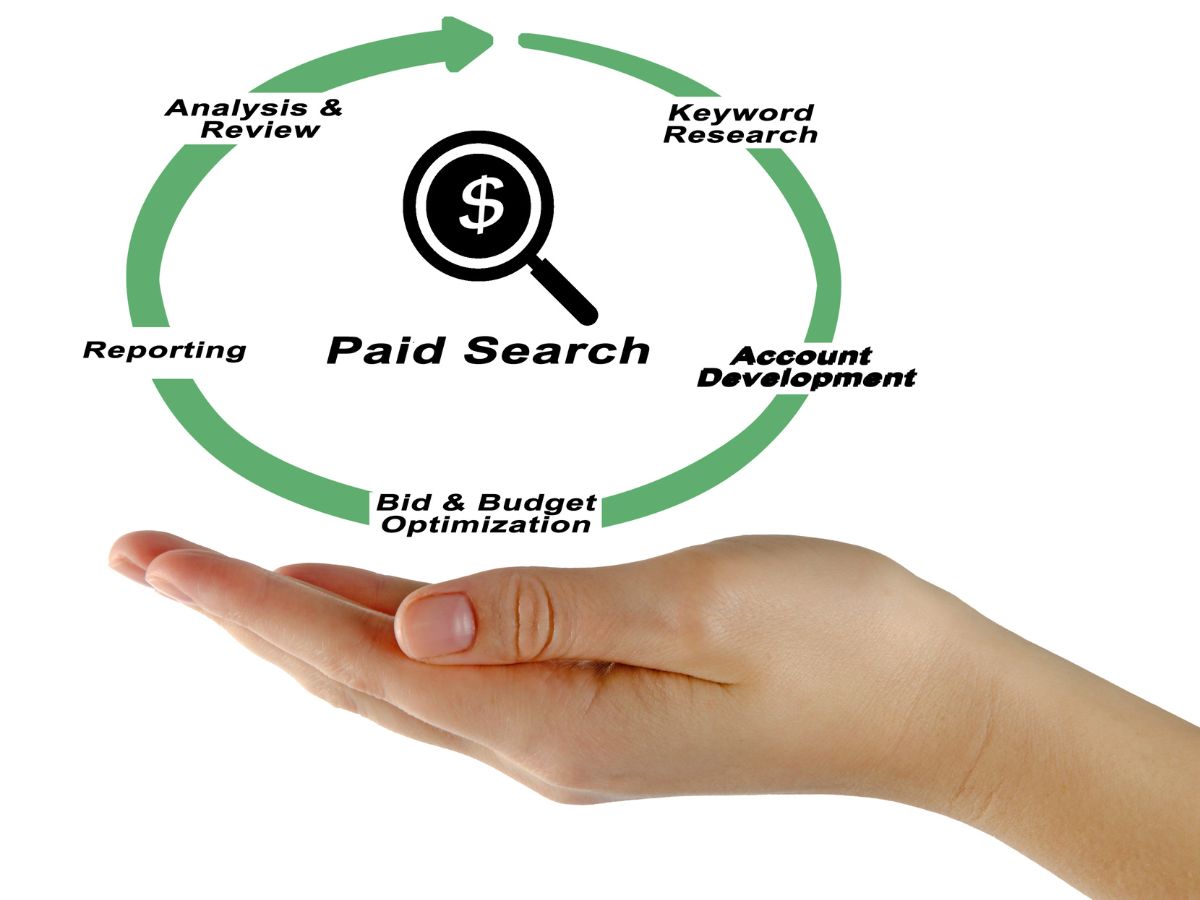
What is campaign example content illustrates coordinated efforts to achieve marketing objectives, such as brand awareness or customer retention. To build an effective campaign using AI, one should leverage data analytics for audience targeting and optimize content. Successful campaigns focus on clear objectives, compelling messaging, and strategic timing. Organizations can expand their reach by embracing new and innovative technologies. Exploring further would reveal additional strategies and insights to help elevate campaign effectiveness and overall results.
Key Takeaways
- A campaign is a coordinated effort to achieve specific marketing objectives, such as promoting products or increasing brand awareness.
- An example of an effective campaign is Nike’s “Just Do It,” which focuses on inspiring narratives and emotional connections.
- To create a successful AI-driven campaign, start by setting clear goals and understanding your target audience so you can craft messages that truly resonate and deliver results.
- Utilize AI tools for data analysis, content creation, and audience segmentation to enhance engagement and effectiveness.
- Implement multi-channel strategies, leveraging social media and digital platforms to amplify reach and drive conversions.
What Is Campaign Example?

A campaign, particularly in marketing or advocacy, refers to a coordinated series of activities designed to achieve specific objectives, often aimed at promoting a product, raising awareness, or driving engagement.
An exemplary campaign might involve a high-profile product launch, where various marketing channels synergize to create a unified message. For instance, a tech company could orchestrate an online advertising blitz, social media interactions, and influencer partnerships to unveil a groundbreaking gadget.
The importance of campaigns cannot be overstated; they serve as the backbone of strategic communication, enabling organizations to connect with their target audience effectively.
A well-executed campaign not only boosts visibility but also cultivates brand loyalty and drives conversions. Understanding what a campaign example entails empowers individuals and organizations to harness their potential, strategically leveraging resources to amplify their impact in an increasingly competitive landscape.
The Role and Importance of Campaigns in Modern Marketing
Campaigns serve as vital instruments in modern marketing, enabling brands to navigate an increasingly complex digital landscape. They are essential for establishing a strong market presence and driving consumer engagement.
Understanding the various types of campaigns allows marketers to deploy strategies that resonate with their target audience.
Key elements of successful campaigns include:
- Target Audience Identification: Knowing who to reach is crucial for campaign effectiveness.
- Creative Campaign Ideas: Innovative concepts capture attention and differentiate brands.
- Multi-Channel Approach: Leveraging diverse platforms maximizes reach and impact.
- Data-Driven Insights: Utilizing analytics informs strategy and enhances decision-making.
Digital Campaign Examples That Inspire Results

While exploring the landscape of digital marketing, one can find numerous campaigns that not only engage audiences but also drive significant results.
Digital campaign examples like Nike’s “Just Do It” and Coca-Cola’s “Share a Coke” demonstrate the power of compelling narratives paired with strategic outreach. These campaigns leverage emotional resonance and personalized engagement, transforming passive viewers into active participants.
Additionally, the ALS Ice Bucket Challenge exemplifies a viral digital campaign that galvanized global participation, showcasing the potential of social media in amplifying messages.
Each of these examples highlights the effectiveness of clear objectives, targeted messaging, and innovative use of technology.
Types of Campaigns That Work for Various Business Goals

Understanding the diverse types of campaigns available can empower businesses to achieve specific goals effectively. Each campaign type serves unique objectives, allowing organizations to harness their potential for maximum impact.
Here are four campaign types that align with various business goals:
- Brand Awareness Campaigns: Designed to increase visibility and recognition within target markets, these campaigns focus on establishing a strong brand presence.
- Lead Generation Campaigns: Aimed at capturing potential customers’ information, these campaigns drive engagement and nurture prospects towards conversion.
- Sales Promotion Campaigns: These initiatives incentivize purchases through discounts or special offers, directly impacting revenue and sales figures.
- Customer Retention Campaigns: Focusing on existing clients, these campaigns enhance loyalty and encourage repeat business through personalized communication and rewards.
Creative Campaign Ideas to Kickstart Your Strategy

How can businesses ignite their marketing efforts with fresh, innovative ideas? One powerful approach is harnessing the potential of experiential campaigns that engage customers on a personal level.
For example, hosting immersive pop-up events can create buzz while showcasing products in dynamic environments. Additionally, leveraging user-generated content through social media contests can amplify brand visibility and foster community involvement.
Another compelling strategy is to employ storytelling in marketing efforts, crafting narratives that resonate emotionally with the target audience. This technique not only captures attention but also builds lasting connections.
Furthermore, integrating AI-driven personalization into email marketing can enhance customer experiences, driving conversions through tailored messaging.
Key Elements That Make a Campaign Example Successful
A successful campaign example is anchored by several key elements that contribute to its effectiveness and impact.
These elements serve as the foundation upon which formidable campaigns are built, ensuring they resonate with the intended audience and achieve desired outcomes.
- Clear Objectives: Defining specific, measurable goals provides direction and purpose, driving all campaign efforts.
- Target Audience: Identifying and understanding the audience allows for tailored messaging that engages and motivates action.
- Compelling Content: High-quality, persuasive content captures attention and fosters emotional connections, amplifying the campaign’s reach.
- Strategic Timing: Launching at the right moment maximizes visibility and relevance, enhancing overall engagement.
Together, these elements create a robust framework that empowers campaign architects to harness their vision effectively, ensuring that each initiative stands out in a competitive landscape.
Evaluating the Success of Your AI-Powered Campaign

Evaluating the success of an AI-powered campaign involves assessing various metrics and outcomes that reflect its effectiveness. Key performance indicators (KPIs) such as conversion rates, engagement levels, and return on investment (ROI) serve as essential benchmarks.
By leveraging AI analytics, one can gain insights into audience behavior and campaign reach, allowing for a data-driven evaluation.
Furthermore, sentiment analysis can gauge public perception and brand positioning, revealing the campaign’s impact on consumer attitudes. Continuous monitoring enables swift adjustments, optimizing performance in real-time.
Ultimately, the success of an AI-driven campaign is not merely measured by immediate results but also by its ability to forge lasting connections and drive future growth.
FAQ: Building Campaigns with AI in Modern Marketing
How does AI help build and manage campaigns?
AI supports campaign creation and management by analyzing data, identifying target audiences, predicting customer behavior, and automating tasks. It streamlines everything from audience segmentation to performance tracking, enabling marketers to launch more efficient and personalized campaigns. AI can also optimize ad placements, timing, and content delivery across platforms for maximum engagement and conversions.
Can I use AI for both creative and analytical parts of a campaign?
Yes, AI is valuable for both the creative and analytical aspects of a campaign. Creatively, AI tools can generate content ideas, headlines, visuals, and even personalized email messages. Analytically, AI tracks campaign performance, analyzes engagement patterns, and provides insights through metrics like ROI, conversions, and sentiment analysis. This blend boosts creativity while making decisions smarter and data-driven.
What mistakes should I avoid when planning a campaign?
Common campaign mistakes to avoid include:
- Lack of clear objectives: Without specific goals, it’s hard to measure success.
- Misunderstanding the audience: Poor targeting leads to wasted resources and low engagement.
- Neglecting data and insights: Ignoring analytics reduces the campaign’s adaptability and effectiveness.
- Overlooking timing: Launching at the wrong time can hurt visibility and relevance.
- Inconsistent messaging: Mixed messages across channels weaken brand impact.
What tools can help in creating AI-powered campaigns?
Several tools can support AI-driven campaigns:
- HubSpot – For automated email campaigns and customer segmentation
- ChatGPT & Jasper – For AI-generated content and campaign messaging
- Google Ads (with Smart Bidding) – For AI-powered PPC targeting
- Canva & Adobe Firefly – For creative design with AI enhancements
- Hootsuite & Sprout Social – For social media management and AI-based engagement insights
- Google Analytics & IBM Watson – For deep campaign analytics and performance tracking
These tools help marketers combine strategy, creativity, and automation to launch more impactful campaigns.
Final Thoughts
Building a successful campaign—especially one powered by AI—requires more than just creativity; it demands clear objectives, precise audience targeting, and performance-driven execution. By leveraging AI tools for insights, personalization, and automation—including innovations like AI-powered Voice AI—businesses can enhance every stage of the campaign process, from ideation to evaluation. The combination of innovative technology with strategic messaging empowers organizations to not only reach but resonate with their audiences. When built thoughtfully, campaigns become powerful vehicles for brand growth, customer engagement, and long-term success in a dynamic digital environment. Ready to elevate your next campaign? Book a free strategy call with SalesGadget and let our AI-driven approach deliver measurable results.