Website maintenance is crucial for maintaining a secure and efficient online presence. People often forget to update their software regularly. This makes their systems more vulnerable to cyber attacks. They also neglect to back up their data routinely. As a result they risk losing important information permanently if something goes wrong. Employing weak passwords and neglecting security measures can leave the site vulnerable to substantial threats. Creating a thorough maintenance list prevents such issues. Discovering ways to enhance your website management can lead to better security and performance.
Key Takeaways
- Neglecting regular backups can lead to irreversible data loss, disrupting business operations and harming your brand’s reputation.
- Using weak passwords increases the risk of unauthorized access, making your website vulnerable to cyberattacks.
- Failing to implement a comprehensive maintenance checklist exposes your site to security weaknesses and performance issues.
- Ignoring the need for SSL certificates risks compromising sensitive information, endangering user trust and data security.
- Overlooking software updates can result in vulnerabilities, data breaches, and poor website performance due to outdated systems.
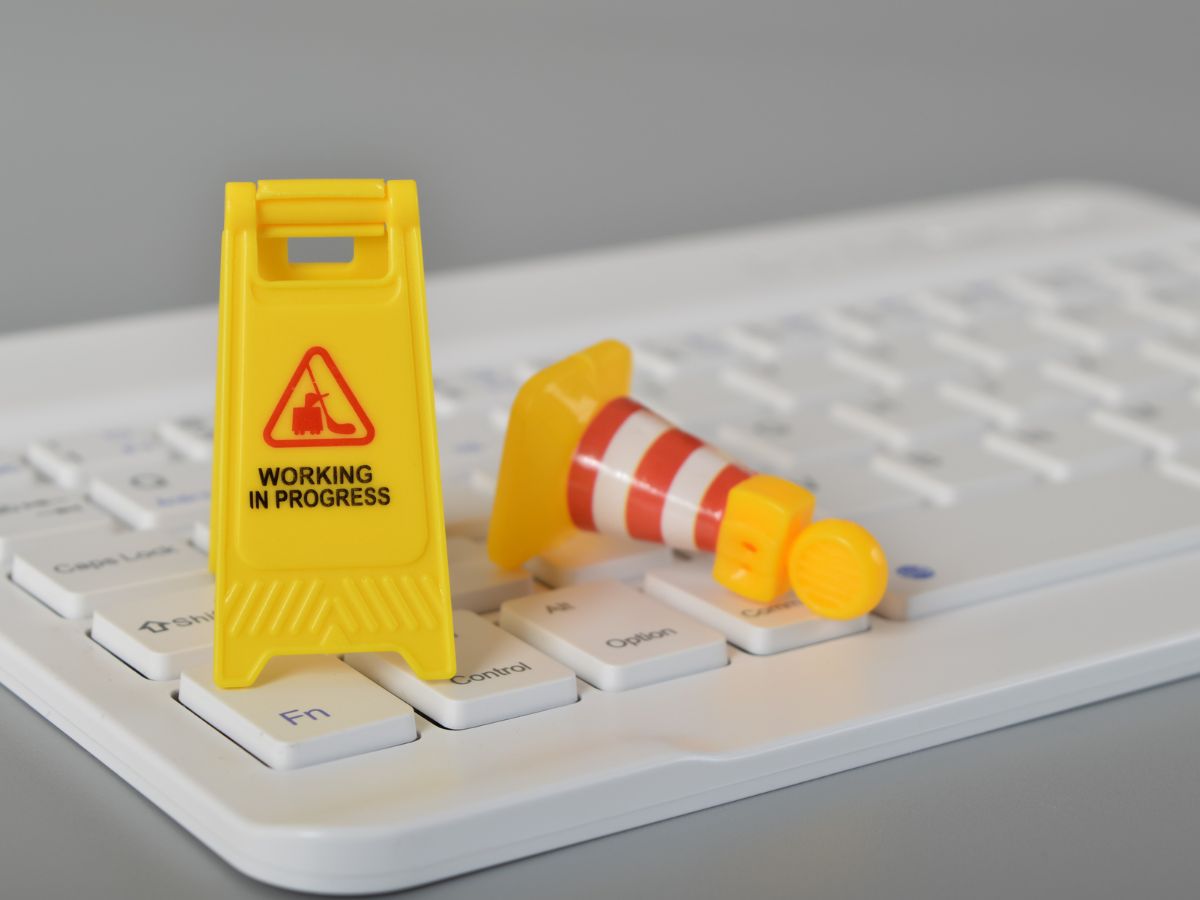
Understanding Website Maintenance and Its Importance
Website maintenance is vital for a site’s lasting achievement. However numerous website owners may overlook its relevance. Website maintenance encompasses a range of tasks essential for keeping a website functional, secure, and up-to-date. Regular updates to software and plugins, for instance, prevent vulnerabilities that could be exploited by malicious actors.
Additionally, routine backups safeguard against data loss, allowing for quick recovery in emergencies.
Moreover, website performance monitoring plays a vital role in identifying slow-loading pages and technical issues that can deter visitors. Understanding why website maintenance is important extends to optimizing for search engines, which enhances visibility and user experience.
Common Website Maintenance Mistakes That Damage Security

When website owners overlook critical maintenance tasks, they inadvertently expose their sites to security vulnerabilities that can lead to devastating consequences.
A common mistake is neglecting regular backups, which can result in irreversible data loss during a security breach. Additionally, using weak passwords or failing to change them periodically can make unauthorized access easier for cybercriminals.
Moreover, many website owners do not implement a comprehensive website maintenance checklist that includes monitoring user permissions and access controls. This oversight can allow malicious users to exploit weaknesses in the site’s security framework.
Additionally, ignoring the need for SSL certificates can leave sensitive information at risk during data transmission.
To safeguard their websites, owners should prioritize these maintenance tasks, ensuring that they understand what is website maintenance and its critical role in protecting their online presence.
Regularly reviewing security measures is essential for a robust defense against potential threats.
Neglecting Regular Software Updates and Security Patches

Neglecting regular software updates and security patches can significantly compromise a website’s integrity and performance. This oversight can lead to vulnerabilities, making the website susceptible to cyberattacks, data breaches, and other security threats. Understanding how to maintain a website includes prioritizing these updates as a fundamental aspect of what does website maintenance include.
| Risk | Consequence | Solution |
| Outdated Software | Increased vulnerability | Set automatic updates |
| Ignored Security Patches | Data loss or breaches | Regularly check for updates |
| Lack of Monitoring | Poor website performance | Utilize performance monitoring tools |
Overlooking Website Backups and Their Consequences

Website security is only one aspect of maintaining a reliable online presence; overlooking backups can have equally devastating consequences. Failing to implement regular backups can lead to severe data loss, resulting from cyberattacks, human errors, or server failures.
When a website is compromised, the inability to restore lost files or content can disrupt business operations and tarnish a brand’s reputation.
Moreover, without backups, website recovery becomes a time-consuming and costly endeavor, often requiring extensive resources. It is critical for website owners to establish a routine backup protocol that includes both automated and manual options.
Utilizing multiple storage solutions, such as cloud services and external drives, further enhances data security.
Ultimately, prioritizing website backups is essential in safeguarding against unpredictable events. By recognizing the importance of this practice, website owners can ensure continuity and protect their online assets effectively.
Creating a Website Maintenance Checklist for Effective Management

An effective website maintenance checklist can streamline the management process and ensure that essential tasks are not overlooked. This checklist should include regular updates for software and plugins to maintain security.
It is crucial to schedule routine backups to safeguard against data loss. Performance monitoring should be incorporated, enabling the identification of slow-loading pages and potential issues. Additionally, the checklist should address SEO optimization, ensuring that on-page elements like meta tags and content are current and relevant.
Incorporating user experience assessments, such as checking broken links and reviewing site navigation, can enhance overall functionality.
Finally, including a review of analytics data helps track user behavior and engagement, guiding future improvements. By establishing a comprehensive checklist, website managers can proactively address maintenance tasks, significantly reducing the risk of common pitfalls associated with neglect.
Signs It’s Time to Hire a Professional for Website Maintenance

When is it prudent to seek professional help for website maintenance? Several indicators suggest that hiring a professional may be necessary.
First, if a website frequently experiences technical issues or downtime, it may signal underlying problems that require expert intervention. Additionally, neglecting security updates can leave a site vulnerable to cyber threats; professionals are equipped to manage these critical updates.
Moreover, if a website’s performance, including loading speed and user experience, consistently declines, this could hinder visitor retention and conversion rates. Professionals can conduct performance audits and implement effective solutions.
Lastly, if a site struggles with search engine optimization (SEO) and fails to attract organic traffic, professional expertise can help revitalize its visibility.
Recognizing these signs can save time and resources, ensuring that websites remain functional, secure, and competitive in an evolving digital landscape.
From Mistakes to Mastery in Website Maintenance

Many website owners unknowingly fall into common maintenance pitfalls that can significantly impact their site’s effectiveness and security. Neglecting essential security updates can leave vulnerabilities exposed, making websites prime targets for cyberattacks.
Additionally, overlooking regular backups can result in catastrophic data loss, while poor performance monitoring often leads to slow loading times that deter visitors.
To transition from these mistakes to mastery, website owners should prioritize routine maintenance checks, ensuring all software is updated and backups are scheduled.
Implementing performance monitoring tools can help identify and rectify issues promptly, while optimizing for SEO is crucial for maintaining visibility in search results.
By adopting these proactive measures, owners can create a seamless and secure user experience, ultimately enhancing their website’s functionality and protecting their online presence.
Embracing a disciplined approach to website maintenance can transform potential pitfalls into opportunities for growth and improvement.
FAQ: Website Maintenance and Its Impact on Security & SEO
What is website maintenance and why is it important?
Website maintenance is the ongoing process of keeping a website secure, up-to-date, and running smoothly. It includes tasks such as updating software, performing backups, monitoring performance, and fixing errors. Regular maintenance is essential to prevent cyberattacks, avoid data loss, improve user experience, and maintain SEO performance. Neglecting it can result in vulnerabilities, poor loading times, and loss of customer trust.
How to maintain a website and keep SEO optimized continuously?
To maintain a website while keeping SEO strong, follow these best practices:
- Update software and plugins regularly to avoid security flaws.
- Back up your data frequently to protect against loss.
- Monitor performance to ensure fast loading and uptime.
- Check for broken links and outdated content to maintain SEO value.
- Optimize meta tags, headers, and image alt texts to improve rankings.
- Use tools like Google Search Console and analytics platforms to identify SEO issues and track user behavior.
Ongoing attention to both technical health and content optimization keeps your site competitive and visible.
What does website maintenance include?
Website maintenance typically includes:
- Software and plugin updates to patch vulnerabilities
- Regular data backups (automated and manual)
- Security audits (password checks, SSL status, access controls)
- Performance monitoring (load time, responsiveness)
- SEO updates (meta tags, content freshness, keyword optimization)
- Broken link checks and site navigation reviews
- Analytics tracking to monitor behavior and conversions
These tasks ensure the website remains fast, secure, and optimized for both users and search engines.
How often should I perform website maintenance?
Website maintenance should follow this general schedule:
- Weekly: Backups, plugin/theme updates, security scans
- Monthly: SEO reviews, broken link checks, performance tests
- Quarterly: Review analytics, UX testing, content updates
- Annually: Full audit of design, branding, and site goals
Consistent maintenance ensures long-term performance, minimizes risk, and supports business growth.
Final Thoughts
Proactive website maintenance is more than just a technical task—it’s the foundation of online success. From implementing regular website backups to securing your site with timely software updates, these steps directly impact your site’s performance, credibility, and user trust. Businesses that neglect these essentials often face data loss, downtime, and security threats that could have been avoided. To stay competitive, it’s crucial to adopt a structured maintenance strategy supported by strong SEO and performance standards. Ready to enhance your website’s reliability and visibility? Let SalesGadget’s SEO experts and web design team help you build a safer, faster, and more effective online presence. Book your free strategy session today and turn website maintenance into a growth opportunity.