Paid search is a digital marketing strategy that enhances online visibility through targeted ads. Google Ads lets companies pay to show their ads in search results. They choose specific words that match what people look for online. When someone searches using those words the company’s ad might appear at the top or side of the page. The ads can be simple text or pictures. Companies compete with each other by bidding money on the words they want to target. This helps them reach people who are interested in their products or services. These ads only charge advertisers when users click, driving qualified traffic to their websites. This approach helps businesses find the right customers & make more sales. It’s a straightforward way to connect with people who want to buy their products. When companies use this strategy they often see better results and make more money from their marketing efforts. Exploring further reveals additional strategies to maximize the impact of paid search campaigns.
Key Takeaways
- Paid search ads appear in search engine results, prominently showcasing products or services to users actively searching for them.
- An example includes Google Ads, where businesses bid on keywords to have their ads displayed to relevant audiences.
- Text ads typically provide concise information, while shopping ads include images and prices for e-commerce products.
- Remarketing ads target users who previously visited a website, encouraging them to return and complete a purchase.
- Call-only ads allow businesses to connect directly with potential customers through phone calls from search results.
Example of Paid Search That Boosts Website Traffic

When a business seeks to enhance its online visibility, utilizing paid search campaigns can be a highly effective strategy. An example of paid search is a company in the luxury travel sector targeting affluent customers through Google Ads. By strategically bidding on high-value keywords such as “exclusive luxury vacations” or “private yacht charters,” the business ensures it appears prominently in search results.
How does paid search work? It operates on a pay-per-click model, where the business pays only when a user clicks on their ad. This focused marketing method brings potential customers to their website making it more likely they’ll make a purchase.
Types of Paid Search Ads and Their Uses
Paid search ads come in various formats, each tailored to serve specific marketing objectives and audiences. Among the types of paid search, text ads represent the most common format, directly appearing in search engine results.
Display ads, on the other hand, leverage visuals to engage users across various websites, enhancing brand visibility. Shopping ads are specifically designed for e-commerce, showcasing product images and prices to attract potential buyers.
Remarketing ads target users who have previously interacted with a brand, increasing conversion rates by reminding them of their interests. Additionally, call-only ads facilitate immediate communication by allowing users to call businesses directly from their search results.
Understanding what is paid search advertising and the types of paid search available empowers businesses to strategically choose the most effective ad format to maximize their reach and drive targeted traffic, ultimately achieving their marketing goals with precision.
The Role of Paid Search in Digital Marketing Strategies

In the landscape of digital marketing, paid search plays a pivotal role in complementing organic strategies and enhancing overall campaign effectiveness.
Businesses leverage paid search to assert dominance in competitive markets, ensuring visibility at critical moments when potential customers are actively searching for products or services. A quintessential paid search ads example is when a consumer types “luxury watches” into a search engine, prompting targeted ads from brands vying for attention.
This strategic placement not only captures immediate interest but also funnels high-intent traffic to their websites, driving conversions. Furthermore, paid search allows for precise audience targeting, enabling brands to tailor their messaging and budget allocation effectively.
As part of a broader digital marketing strategy, paid search empowers businesses to achieve measurable results, reinforcing brand authority and stimulating growth in an increasingly digital world.
Understanding its role is essential for any marketing leader aiming to harness the full potential of digital initiatives.
The Benefits of Using Paid Search in Your Marketing Plan
Although businesses often rely on a mix of marketing strategies, incorporating paid search into their plans offers distinct advantages that can significantly enhance their online presence.
By leveraging paid search, companies can assert control over their visibility, ensuring they reach potential customers at the right moment.
- Targeted Reach: Paid search allows businesses to hone in on specific demographics and interests, maximizing the potential for conversion.
- Immediate Results: Unlike organic strategies, paid search delivers instant traffic, propelling brands to the forefront of search results.
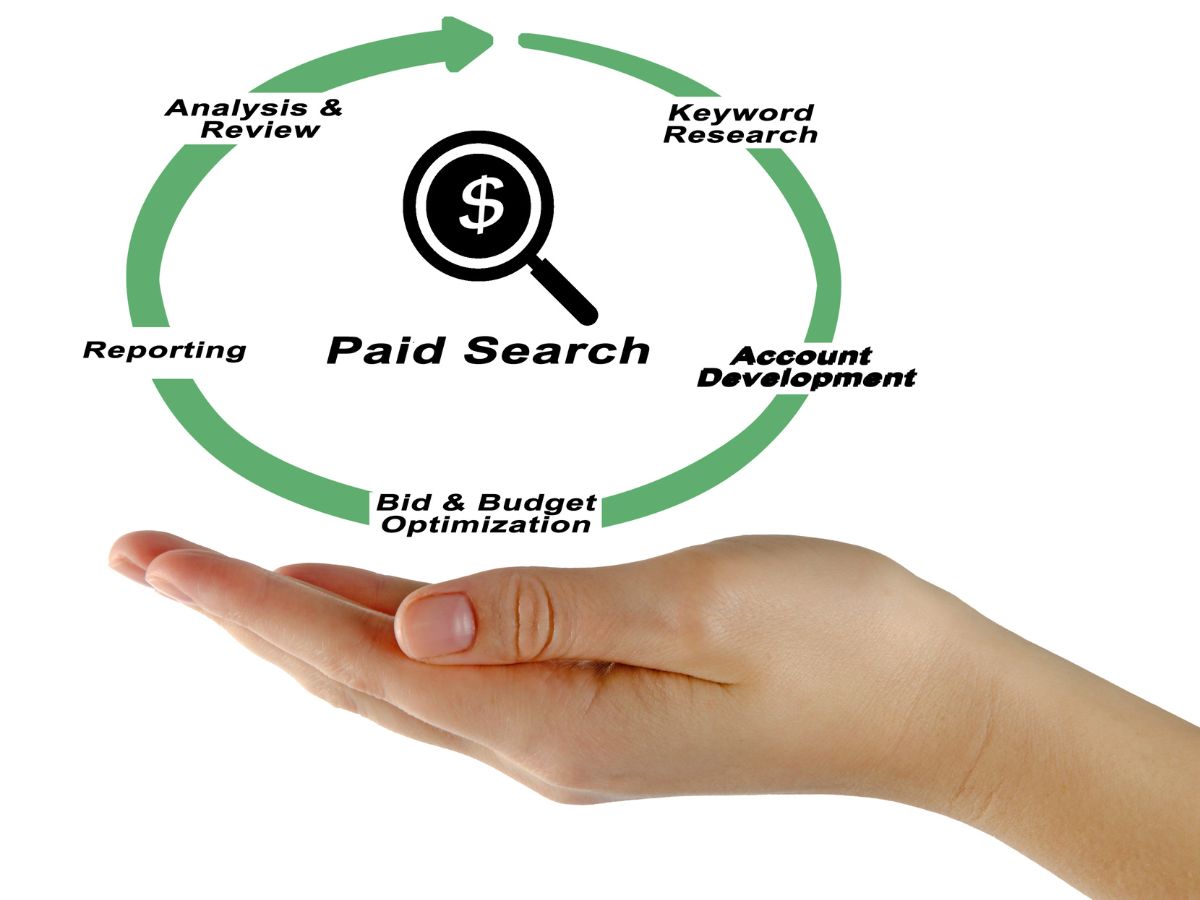
- Measurable ROI: With advanced analytics, companies can track performance, optimizing campaigns for maximum profitability.
- Brand Awareness: Frequent appearances in search results reinforce brand recognition, solidifying a company’s presence in a competitive landscape.
Utilizing paid search empowers businesses to dominate their niche, driving growth and profitability with precision and speed.
Paid Search Ads Example That Converts Browsers into Buyers

Effective paid search campaigns exemplify how businesses can convert casual browsers into loyal customers.
Consider an online retailer specializing in athletic footwear. By employing targeted keywords such as “best running shoes” and “discount athletic sneakers,” they create compelling ads that appear prominently in search engine results. These ads feature eye-catching visuals and persuasive calls to action, inviting users to click through to their website.
Once on the site, an engaging landing page showcases limited-time offers, customer testimonials, and clear product descriptions, further enticing the visitor.
By utilizing retargeting strategies, the retailer ensures that previous visitors are reminded of their offerings, increasing the likelihood of conversion. This strategic approach not only captures the initial interest of browsers but also nurtures them through the purchasing journey, ultimately transforming them into loyal customers.
Such targeted paid search ads are powerful tools in the arsenal of digital marketing, driving immediate sales and fostering brand loyalty.
Turning Paid Search Insights Into Long-Term Growth

Harnessing insights from paid search campaigns can significantly contribute to long-term growth for businesses. By analyzing data and trends, companies can refine their strategies to dominate their markets.
The following four approaches exemplify this transformative process:
- Target Audience Identification: Understanding who engages with ads allows businesses to tailor their offerings, ensuring relevance and resonance.
- Keyword Optimization: Continuous refinement of keywords based on performance data ensures that ads reach the most lucrative prospects.
- Ad Copy Enhancement: Insights into what drives clicks enable the crafting of compelling messages that convert interest into action.
- Budget Allocation Strategy: Analyzing which campaigns yield the highest ROI empowers businesses to invest intelligently, maximizing their marketing impact.
Frequently Asked Questions
What is paid search advertising and how does it differ from SEO?
Paid search advertising is a digital marketing strategy where businesses pay to display ads in search engine results when users search for specific keywords. This method uses platforms like Google Ads to appear prominently at the top or side of search results. It operates on a pay-per-click (PPC) model, meaning advertisers are charged only when someone clicks the ad.
In contrast, SEO (Search Engine Optimization) is the practice of optimizing a website to earn organic (unpaid) rankings over time. While SEO builds long-term visibility, paid search offers instant exposure and faster traffic for high-intent keywords.
How does paid search work to target specific audiences?
Paid search allows for precise audience targeting by letting advertisers define:
- Keywords relevant to user intent
- Location, language, and device type
- Demographics such as age, gender, and income level
- Search behavior and interests through remarketing
This ensures ads reach users who are most likely to engage or convert. For example, if a user searches for “luxury watches,” businesses can tailor ads to show only to people in high-income areas searching on mobile during peak shopping hours.
What platforms can businesses use for paid search advertising?
Popular platforms for paid search advertising include:
- Google Ads – the most widely used platform, ideal for text, shopping, call-only, and remarketing ads.
- Microsoft Advertising (formerly Bing Ads) – reaches users on Bing, Yahoo, and AOL networks.
- Amazon Ads – perfect for e-commerce sellers targeting purchase-ready customers.
- YouTube (via Google Ads) – for video search and display campaigns.
- Social platforms with search features, such as Pinterest Ads and Facebook search-based placements, also support keyword targeting in select formats.
Each platform offers different advantages depending on your audience, goals, and ad type.
How can I measure the success of my paid search campaigns?
Success is measured using key performance indicators (KPIs), such as:
- Click-through rate (CTR) – how often users click your ad after seeing it
- Conversion rate – how many visitors complete a desired action (purchase, sign-up, etc.)
- Cost per click (CPC) and Cost per acquisition (CPA)
- Return on ad spend (ROAS)
- Quality Score – how relevant your ad, keywords, and landing page are to the search query Using tools like Google Ads Dashboard or Google Analytics, you can track performance and make data-driven adjustments to improve ROI and long-term campaign success.
Final Thoughts
Paid search is a powerful digital marketing strategy that delivers targeted visibility, qualified traffic, and measurable results. Whether through Google Ads, Facebook Ads, shopping campaigns, or call-only ads, it allows businesses to reach high-intent users at the moment they’re searching for solutions. By bidding on relevant keywords and optimizing campaigns with data-driven insights, companies can convert clicks into loyal customers and fuel long-term growth.
When used strategically, paid search not only complements organic efforts but becomes a cornerstone for scalable, results-oriented marketing success.
Ready to turn clicks into conversions? Book a strategy call with SalesGadget today and let our team help you maximize the power of paid search.