Businesses need to research thoroughly to determine their target audience. This allows them to market products successfully & connect with potential customers quickly. Utilizing digital platforms and data-driven insights enhances visibility. Search engine optimization techniques combined with pay-per-click advertising methods drive both long-term organic visitors and instant paid traffic to websites. Additionally, engaging storytelling and high-quality content can connect with potential customers. Consistent optimization and analytics tracking will improve lead generation efforts. Exploring new approaches could uncover more ways to attain marketing triumph.
Key Takeaways
- Analyze your target audience to tailor messaging that resonates and captures attention quickly.
- Utilize data-driven insights and analytics tools to optimize marketing strategies for better lead generation.
- Leverage social media and digital platforms for immediate visibility and direct audience engagement.
- Implement SEO and PPC advertising to enhance product discoverability and reach potential leads faster.
- Create compelling narratives and utilize A/B testing to determine the most effective marketing tactics.
Learn How to Market a Product in a Competitive Market

Selling a product when there is tough competition can be hard. However companies can do well by using smart methods that make their products stand out.
Understanding how to market a product effectively requires a keen analysis of the target audience. Companies can use information from data to create messages that connect better with possible customers.
Product marketing strategies should prioritize digital platforms, utilizing social media, email campaigns, and search engine optimization to maximize reach. Crafting compelling narratives around the product not only elevates brand perception but also creates urgency and desire among consumers.
Furthermore, continuous optimization of marketing campaigns is essential for generating leads swiftly. By implementing A/B testing and performance analytics, businesses can refine their strategies, enhancing engagement and conversion rates.
In this dynamic landscape, power lies in adaptability and precision, allowing organizations to dominate their niche and achieve unparalleled growth.
Optimizing Your Website for Product Marketing Success
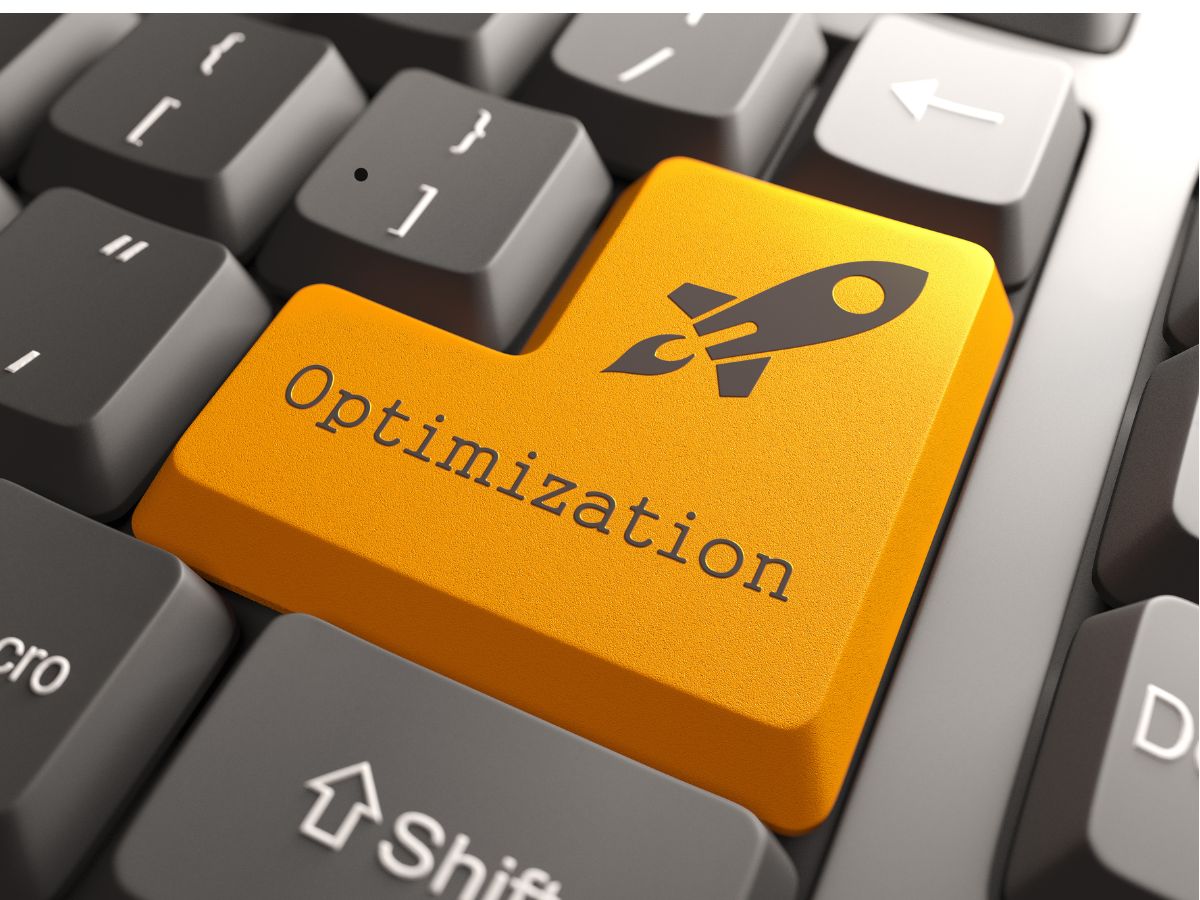
In the realm of product marketing, an optimized website serves as a foundational element for success. A powerful website not only attracts potential customers but also converts them into loyal patrons.
To truly master how to market a product effectively, businesses must prioritize user experience, ensuring rapid load times and intuitive navigation.
Incorporating high-quality content that resonates with the target audience is essential; this includes compelling product descriptions, persuasive calls to action, and engaging visuals.
Furthermore, leveraging SEO strategies is critical in attracting organic traffic while enhancing visibility in search engine results.
Utilizing analytics tools allows businesses to track engagement and conversion rates, informing the adjustments needed for optimization.
Ultimately, understanding and implementing these ways to market a product will empower companies to reach their ideal leads faster, paving the way for sustained growth and dominance in their respective markets.
Top Ways to Market a Product Online and Boost Your Reach

Effective online marketing strategies can significantly amplify a product’s reach and visibility. Leveraging social media platforms enables businesses to connect directly with target audiences, fostering engagement and brand loyalty.
Implementing search engine optimization (SEO) enhances discoverability, ensuring products appear prominently in search results. Furthermore, utilizing pay-per-click (PPC) advertising delivers immediate visibility, allowing for precise targeting based on user behavior and demographics.
Email marketing remains a powerful tool for nurturing leads, offering personalized content that drives conversions. The integration of compelling visuals and persuasive copy can capture attention and convey the product’s value effectively.
Additionally, utilizing analytics tools to track campaign performance empowers marketers to make informed adjustments, maximizing impact.
Product Marketing Strategies for Maximizing Your ROI

Maximizing return on investment (ROI) in product marketing requires a strategic approach that aligns resources with targeted efforts.
Businesses must adopt powerful strategies that ensure their marketing initiatives yield substantial returns. By focusing on precision and efficiency, they can effectively capture and convert leads.
- Identify Target Audiences: Conduct thorough market research to pinpoint ideal customers.
- Leverage Data Analytics: Utilize analytics tools to track performance and refine strategies.
- Optimize Marketing Channels: Select and invest in channels that deliver the highest engagement.
- Implement A/B Testing: Experiment with different campaigns to identify the most effective tactics.
- Align Sales and Marketing Teams: Foster collaboration between teams to streamline lead generation processes.
These strategies empower businesses to elevate their marketing efforts, ensuring that every dollar spent drives meaningful results and amplifies growth.
Social Media Tactics That Boost Product Visibility and Engagement

How can businesses harness the power of social media to enhance product visibility and engage their audience? By strategically leveraging platforms such as Instagram, Facebook, and LinkedIn, organizations can create compelling content that resonates with their target demographic.
Engaging visuals, persuasive storytelling, and interactive elements like polls and live Q&A sessions can significantly amplify reach and foster community connections.
Moreover, utilizing paid advertising options allows businesses to pinpoint specific audiences, ensuring that their messages cut through the noise. Consistent posting schedules and timely responses to customer inquiries enhance brand loyalty and trust, crucial elements for sustained engagement.
Incorporating user-generated content not only enriches the brand narrative but also empowers customers, turning them into brand advocates.
Employing analytics to track performance metrics enables continuous optimization of strategies, ensuring that businesses remain agile and proactive in their marketing endeavors.
Marketing a Product Through Lead Segmentation and Targeting

Why is lead segmentation and targeting essential for successful product marketing? Effective lead segmentation allows businesses to identify and engage individuals most likely to convert, thereby maximizing marketing efforts and resources.
By narrowing their focus, companies can craft tailored messages that resonate with specific audiences, enhancing engagement and driving sales.
- Precision Targeting: Reach your ideal customer with laser-like accuracy.
- Enhanced Engagement: Speak directly to the needs and desires of segmented groups.
- Optimized Resources: Allocate budget and time efficiently by focusing on high-potential leads.
- Improved Conversion Rates: Personalized marketing strategies yield higher sales outcomes.
- Data-Driven Decisions: Leverage analytics to refine targeting and improve campaign effectiveness.
Harnessing lead segmentation and targeting empowers businesses to command their market presence and drive unparalleled growth, ensuring they remain competitive in an ever-evolving landscape.
FAQ: How to Market a Product and Reach the Right Leads Faster
What paid advertising methods help market a product fast?
Pay-per-click (PPC) advertising is one of the fastest methods to market a product. Platforms like Google Ads and Facebook Ads allow precise targeting and deliver instant visibility. These methods let businesses reach potential customers based on search behavior, interests, and demographics, driving immediate traffic and quick results when paired with optimized landing pages.
How can I effectively target the right audience for my product?
Start with thorough market research to understand your ideal customer’s needs, habits, and preferences. Use lead segmentation to group audiences by behaviors or demographics, then craft personalized messages that speak directly to each group. Tools like Facebook Ads Manager, Google Analytics, and CRM systems can help refine targeting for maximum impact.
What tools can I use to track product marketing performance?
Analytics tools like Google Analytics, Facebook Insights, HubSpot, and Hotjar allow you to track key performance indicators such as website traffic, conversion rates, bounce rates, and engagement levels. A/B testing tools like Optimizely also help assess what messaging or design changes improve results, allowing you to optimize strategies in real-time.
What are the best ways to use social media for product marketing?
Use platforms like Instagram, Facebook, and LinkedIn to post engaging content, such as product demos, customer testimonials, or behind-the-scenes stories. Incorporate interactive features like polls or live Q&As to boost engagement. Combine organic content with paid ads to target specific demographics, and leverage user-generated content to build trust and loyalty.
Final Thoughts
Effective product marketing hinges on understanding your audience, using data-driven strategies, and choosing the right platforms to deliver your message. From optimizing websites to leveraging SEO, Google Ads, and social media, each tactic contributes to faster lead generation and stronger engagement. Tailoring your approach through segmentation and continuous performance analysis not only maximizes ROI but also ensures your marketing efforts evolve with consumer behavior. If you’re ready to implement powerful, AI-driven marketing that connects with the right leads faster, book a free strategy call with SalesGadget today. Let’s turn your growth goals into real results.