Businesses can implement seven effective marketing strategies to achieve measurable success. This includes using content marketing to build strong customer relationships, engaging with your audience through social media, and sending personalized messages with email marketing to keep communication meaningful. Additionally, influencer marketing leverages trusted figures, while search engine marketing boosts online visibility. SEO tactics enhance relevant traffic, and data-driven decision-making refines performance. By grasping these strategies, businesses can better adapt their methods to achieve stronger, more effective results. More insights on these impactful strategies follow.
Key Takeaways
- Content marketing attracts and retains customers by providing valuable information that addresses their needs and interests.
- Social media marketing fosters brand engagement and builds emotional connections with consumers through interactive campaigns.
- Email marketing delivers personalized messages that nurture leads and drive customer loyalty effectively.
- Influencer marketing leverages trusted figures to promote products, enhancing credibility and reach.
- Search engine marketing improves visibility in search results, driving targeted traffic to websites and increasing conversion opportunities.
7 Types of Marketing Strategies That Deliver Tangible Outcomes

In the competitive landscape of modern business, five key marketing strategies stand out for their ability to deliver tangible outcomes. Among the 7 types of marketing strategies, businesses often leverage content marketing, social media marketing, email marketing, influencer marketing, and search engine marketing.
Each strategy is tailored to engage target audiences effectively and drive conversions. For instance, content marketing focuses on creating valuable information to attract and retain customers, while social media marketing encourages brand interaction through platforms like Instagram and Facebook.
Email marketing, on the other hand, nurtures leads by delivering personalized messages directly to consumers’ inboxes. Influencer marketing utilizes trusted figures to promote products, and search engine marketing enhances visibility in search results, driving traffic to websites.
These marketing strategy examples demonstrate a spectrum of approaches that can be customized to meet specific business goals, ultimately fostering growth and engagement.
SEO and Content Marketing Strategies That Drive Real Results

While many businesses recognize the importance of optimizing their online presence, few fully harness the combined power of SEO and content marketing strategies to drive real results. Together, these approaches enhance visibility, attract targeted traffic, and engage audiences effectively. Understanding what are the types of marketing strategies enables companies to implement the best marketing strategies tailored to their goals.
| Strategy | Key Benefit | Implementation Tip |
| Keyword Research | Increases relevant traffic | Use tools like Google Keyword Planner |
| High-Quality Content | Builds authority and trust | Focus on solving customer problems |
| On-Page SEO | Improves search rankings | Optimize title tags and meta descriptions |
| Link Building | Boosts domain authority | Guest post on reputable sites |
| Analytics Tracking | Measures performance | Use Google Analytics for insights |
Choosing the Best Marketing Strategies for Your Business
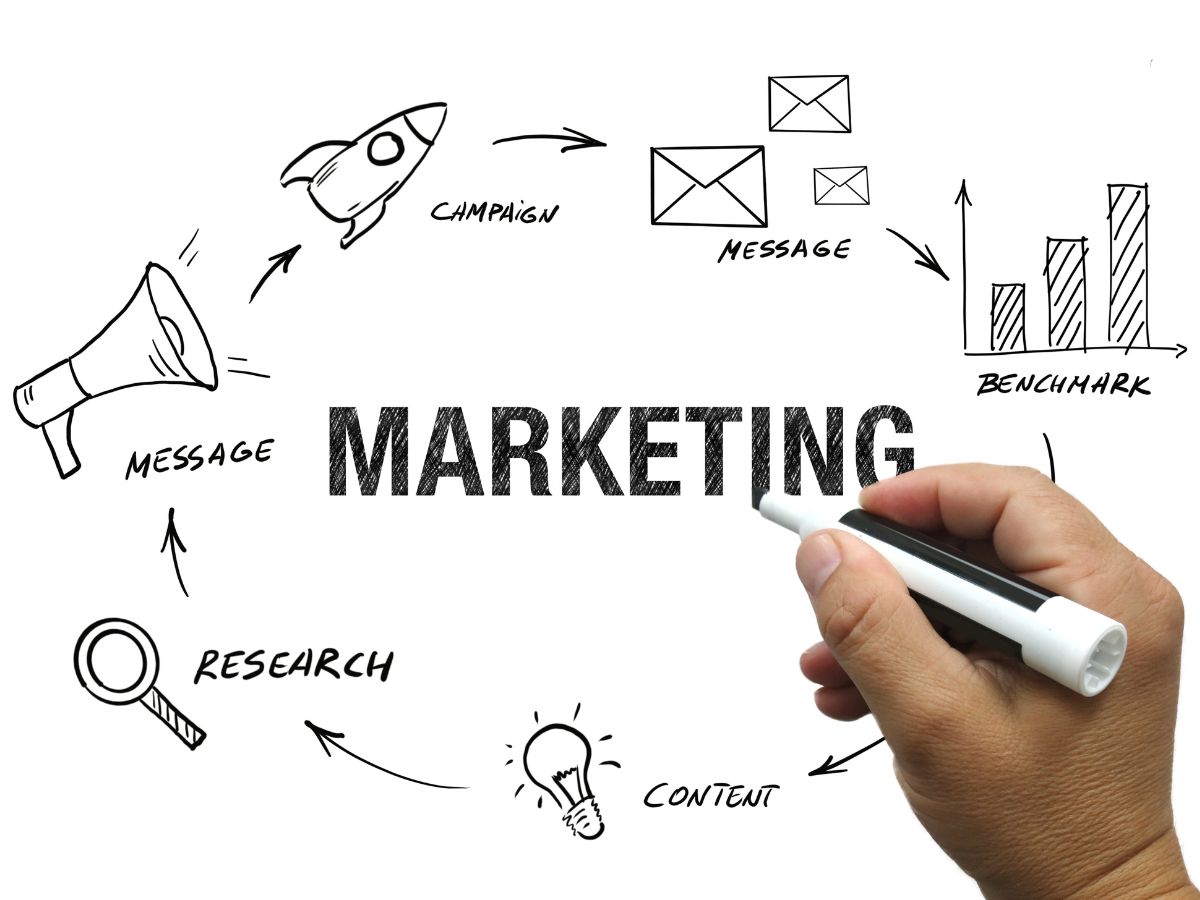
How can a business effectively choose the best marketing strategies to align with its goals? First, it is essential to identify specific objectives, such as increasing brand awareness, generating leads, or enhancing customer retention.
Understanding the target audience is equally crucial; businesses should analyze demographics, preferences, and behaviors to tailor strategies accordingly.
Next, businesses can evaluate various marketing channels, such as digital marketing, social media, and email campaigns, to determine which align best with their goals and audience.
Additionally, assessing available resources, including budget and manpower, will aid in selecting feasible strategies.
Finally, monitoring and analyzing performance metrics will help businesses refine their marketing approaches over time.
Effective Marketing Strategy Examples Across Different Industries
What makes certain marketing strategies remarkably effective across various industries? Successful companies have harnessed techniques that resonate with their target audiences, leading to remarkable results.
Here are three effective marketing strategy examples:
- Content Marketing: Brands like HubSpot utilize informative blogs and resources to establish authority and engage customers, ultimately driving leads and conversions.
- Social Media Campaigns: Nike exemplifies the power of social media by creating viral campaigns that connect emotionally with consumers, enhancing brand loyalty and visibility.
- Email Marketing: Companies such as Amazon use personalized email recommendations to drive sales, demonstrating the effectiveness of tailored communication in enhancing customer engagement.
These strategies highlight the versatility and impact of well-executed marketing efforts, showcasing how businesses can adapt their approaches to meet the unique demands of their respective industries.
Core Elements That Make Marketing Strategies Perform
Understanding the core elements that drive marketing strategies is essential for businesses seeking to enhance their performance. Effective marketing strategies hinge on several key components.
First, a deep understanding of the target audience is crucial; knowing their needs, preferences, and behaviors allows businesses to craft tailored messages.
Second, clear objectives must be established, providing a roadmap for measuring success.
Third, a unique value proposition differentiates a brand from competitors, making it memorable to consumers.
Additionally, consistent branding across all platforms reinforces recognition and trust.
The choice of marketing channels—whether digital, print, or social media—plays a significant role in reaching the intended audience effectively.
Finally, data-driven decision-making is vital; analyzing results enables businesses to refine strategies and optimize performance continually.
Aligning Marketing Strategies with Business Objectives

Aligning marketing strategies with business objectives is crucial for achieving sustainable growth and maximizing return on investment. When marketing initiatives resonate with overarching business goals, organizations can streamline efforts and enhance effectiveness. This alignment not only fosters coherence but also drives measurable outcomes.
- Clear Communication: Establish open dialogue between marketing and other departments to ensure everyone understands business objectives.
- Data-Driven Insights: Utilize analytics to track performance against business goals, allowing for agile adjustments to marketing strategies.
- Customer-Centric Approach: Focus on aligning marketing messages with customer needs and preferences, ensuring that business objectives reflect market demand.
FAQ: Marketing Strategies That Drive Real Results
What are the types of marketing strategies?
There are seven primary types of marketing strategies that businesses use to drive measurable success:
- Content Marketing – Builds trust through informative and helpful content.
- Social Media Marketing – Engages audiences on platforms like Facebook and Instagram.
- Email Marketing – Delivers personalized communication to nurture leads.
- Influencer Marketing – Leverages trusted figures to expand reach and credibility.
- Search Engine Marketing (SEM) – Uses paid ads to increase visibility on search engines.
- Search Engine Optimization (SEO) – Improves organic search rankings for long-term traffic.
- Data-Driven Marketing – Uses analytics to refine and optimize campaign performance.
What are the common mistakes to avoid when implementing marketing strategies?
Common mistakes include:
- Lack of clear goals: Without defined objectives, it’s hard to measure success.
- Ignoring audience insights: Misunderstanding your audience can lead to poor messaging.
- Inconsistent branding: Confusing visuals and tone weaken brand recognition.
- Neglecting performance tracking: Failing to analyze results prevents improvement.
- Using a one-size-fits-all approach: Not all strategies work for every business or audience segment.
Can a combination of these marketing strategies improve results?
Absolutely. A well-integrated strategy that combines SEO, content marketing, social media, and email campaigns can amplify results. For example, content optimized for SEO can be shared on social media and promoted through email, creating a cohesive customer journey. Combining efforts ensures broader reach, deeper engagement, and stronger performance across multiple touchpoints.
Which marketing strategy works best for small businesses or startups?
Small businesses and startups often see the best ROI from a mix of:
- Content Marketing: Cost-effective way to build authority and drive traffic.
- Social Media Marketing: Great for community engagement and brand awareness.
- Email Marketing: Useful for building relationships and converting leads.
- SEO: Long-term strategy to generate consistent organic traffic.
These strategies are scalable, budget-friendly, and ideal for building trust and visibility from the ground up.
Final Thoughts
To achieve sustainable growth and measurable results, businesses must take a strategic and well-rounded approach to marketing. Implementing a mix of tactics—such as content marketing, SEO, social media engagement, influencer collaborations, and personalized email campaigns—allows companies to connect meaningfully with their audiences while enhancing visibility and performance. Aligning these efforts with business objectives and regularly analyzing performance data ensures agility in a competitive landscape. Ready to drive long-term success and boost your lead flow? Book a strategy call with SalesGadget today and let our experts help you turn strategy into measurable results.